


Introduction
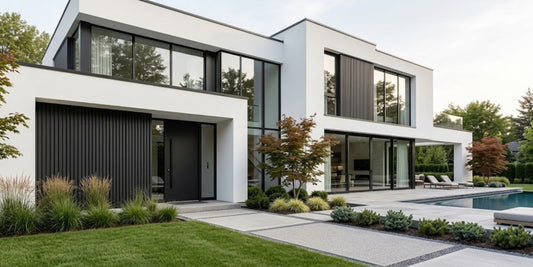
Exterior cladding has an impact on how your house looks, protects it, requires maintenance and adds value. There are other options to wood, such as composite and vinyl, but each has varying levels of durability, finish, cost and flexibility. New Era Wall Panels offers home, contractor, designer and commercial solutions using composite cladding. This guide to composite vs vinyl cladding will enable you to make an informed decision.
What Is Composite Cladding?
Composite cladding is a man-made material comprising of wood fibres and plastic polymers. New Era Wall Panels' boards are made of 55% real wood fibres and recycled plastic, resulting in a wood-look surface that is resistant to moisture, insects and weather. Tongue and groove edges and concealed fasteners provide a clean and modern look to the exterior, too.
What Is Vinyl Cladding?
Exterior material that is light and widely available – vinyl siding or vinyl cladding. It's typically the one that is selected because of its low cost and easy installation. There are many colours and profiles of vinyl and it requires some routine cleaning with mild soap and water. But, if the heat is strong or concentrated, the polymeric siding may be warped, so correct placement and installation of the product are crucial.
Composite vs Vinyl Cladding: Key Differences
Durability and Weather Resistance
Sunlight, rain, moisture, pests and temperatures are all taken care of by composite cladding, without affecting its shape or appearance. Doesn't rot, as wood does, and doesn't need to be sealed regularly. Vinyl is also good for outdoor use, but inexpensive grades of vinyl can crack, dent and warp on impact, in freezing temperatures or prolonged exposure to the sun. If you are looking for a more resilient option, then composite is generally the better option for tough exterior projects.
Appearance and Design
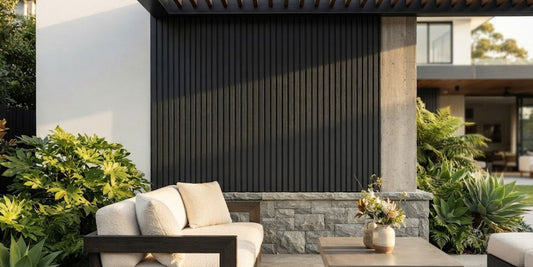
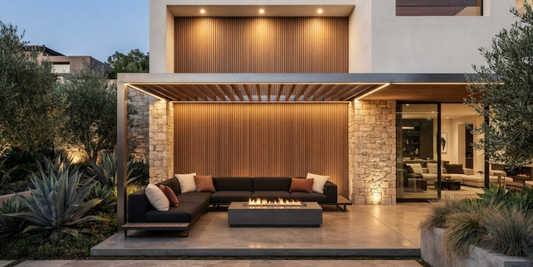
Vinyl will give a neat and traditional siding look and also offers various colour choices. The Composite is textured and has a more natural wood grain than the other options are close, which makes it the best choice for modern homes, feature walls, storefronts, patios or hybrid exterior applications.
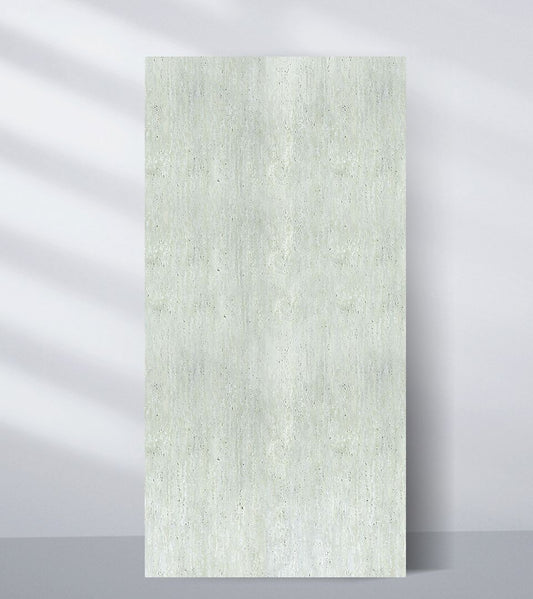
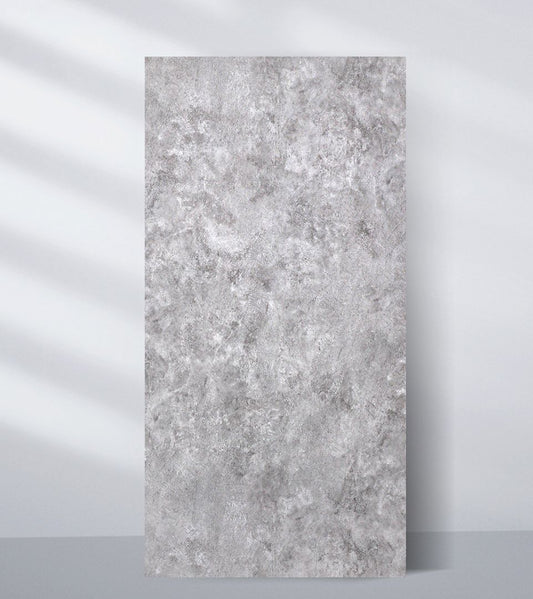
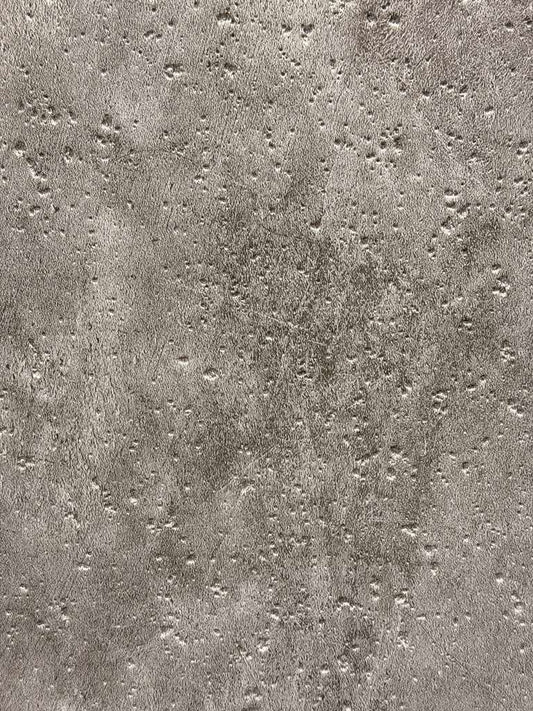
New Era Wall Panels has four different types of composite boards - black, brown, dark brown, grey and light grey panels - that match brick, stone, concrete and metal finishes. These choices can give homeowners a contemporary, dramatic look to their home or a more natural feel.
Maintenance
Both materials are easily maintained. Vinyl will require occasional washing to get rid of dirt or mildew. Another benefit of using a composite board is that it can be cleaned with water and doesn't need to be painted, stained or sealed. They diminish the usual exterior maintenance issues due to their resistance to rot and insects.
Cost and Long-Term Value
Usually vinyl is less expensive going in and is easier to install, which makes it appropriate for budget-conscious renovations. Generally, composite will be more expensive, but will offer higher value over time due to its high quality looks, durability and minimal maintenance. When deciding on a home to buy, homeowners should not just consider the cost of the home itself, they should also look at the total cost of owning a home.
 |
 |
 |
Which Cladding Is Best?
If you need to be cheap, fast, and you need something that you are familiar with, then you should select vinyl. Select composite if you desire a contemporary wood-look, increased depth of field, weather resistance and low maintenance.
Other considerations in your final decision are your local climate, home building design, budget, building codes and installation quality.
Conclusion
The advantages of composite and vinyl cladding are that they are easy to maintain and are alternatives to wood cladding. In addition to being economic and versatile, vinyl offers high durability and a great look for outdoor use, and composite provides a premium look with great durability.
Our composite cladding boards and components at New Era Wall Panels are long-lasting, making them perfect for residential and commercial applications. Choose a variety of composite cladding from our range or talk to our team to find the right colour, amount and finish suitable for your property.
Frequently Asked Questions
1. Is composite cladding better than vinyl?
Generally, composite is more durable, more realistic wood texture, and a better exterior design. Vinyl is a good choice if it's more important to save money upfront.
2. Does composite cladding require painting?
No. Only simple cleaning is generally all that is necessary for a quality composite cladding. Does not require frequent painting, staining or sealing.
3. Which option lasts longer?
The lifespan varies depending on the quality of the product, climate, installation and maintenance. Good composite cladding is designed to last for many years in the outdoors, and good vinyl can last for a long time, as well.
4. Can composite cladding be installed vertically?
Yes. When installed according to manufacturers' installation instructions and spacing requirements, composite boards can be installed horizontally or vertically.
5. Which cladding is easier to maintain?
They both are easy to maintain. Vinyl requires periodic gentle washing while in most cases composite cladding requires simple rinsing and no regular refinishing.
Tags:
Previous
Waterproof Black Composite Exterior Cladding Panels for Homes
Next
Top Benefits of Composite Cladding Boards for Your Home
Related articles
-
Jul 22 2026