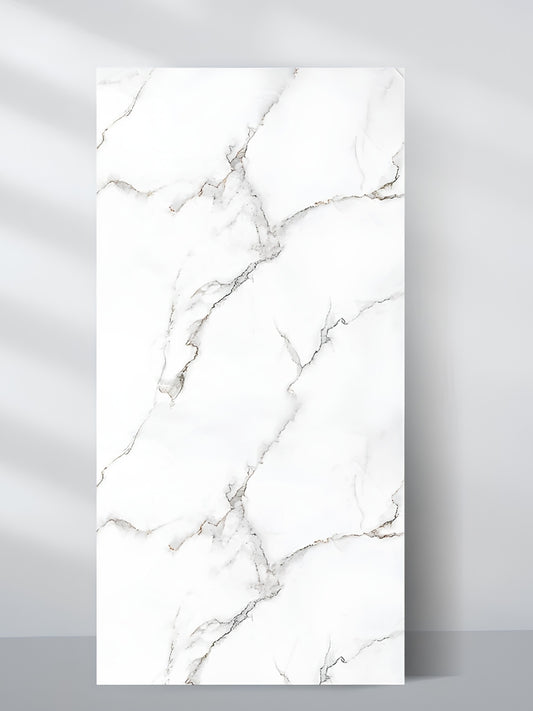
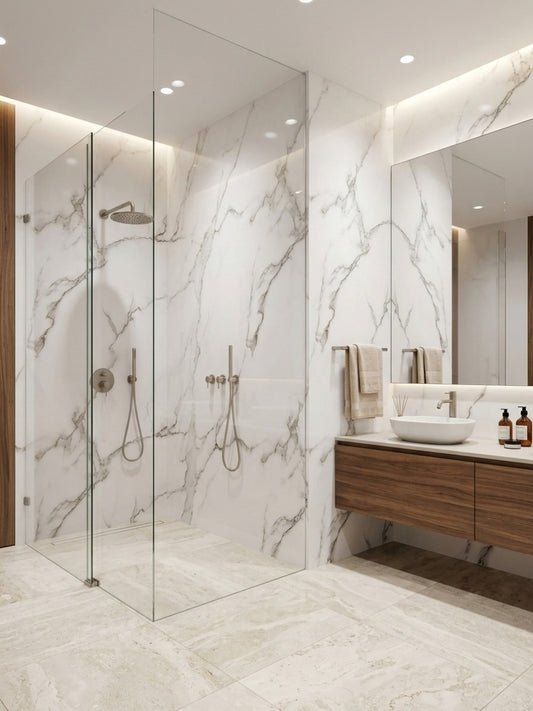
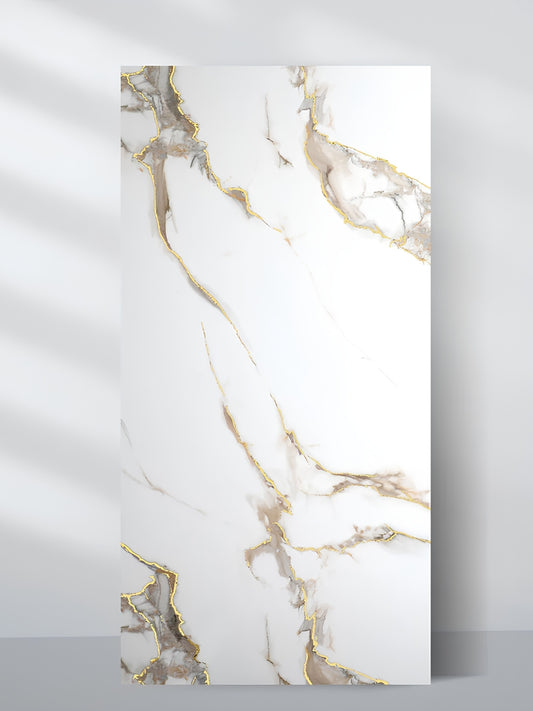
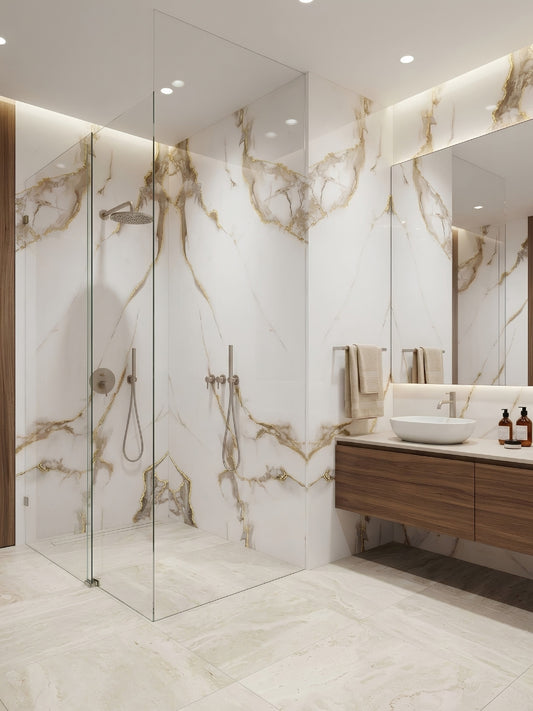
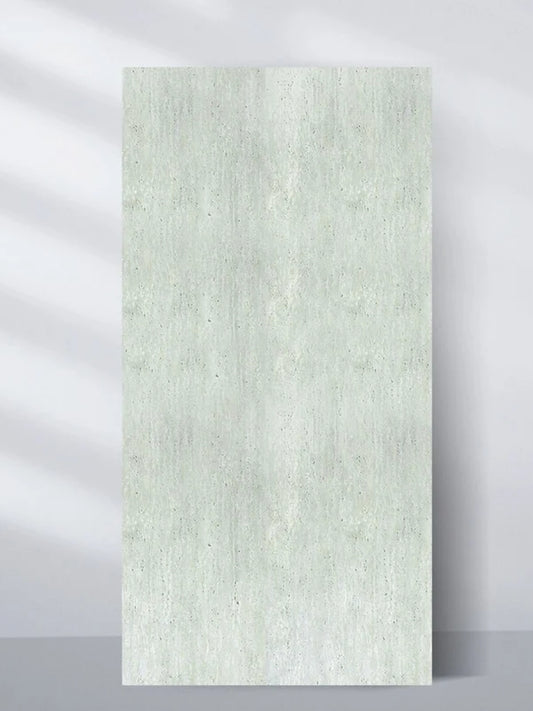
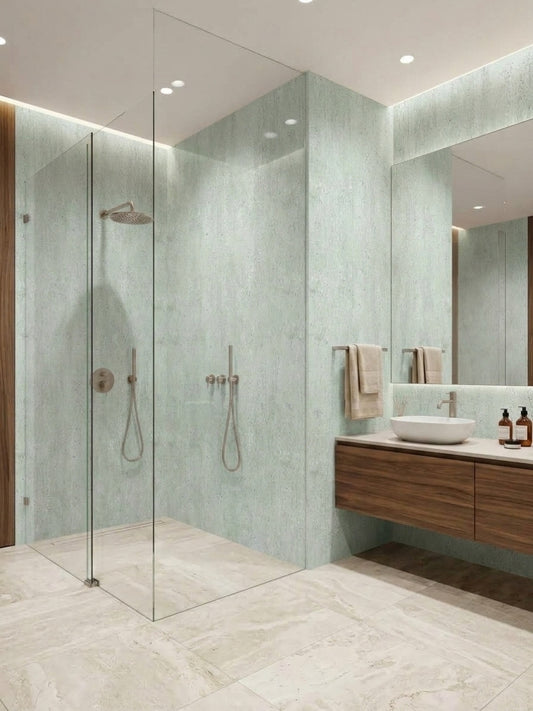
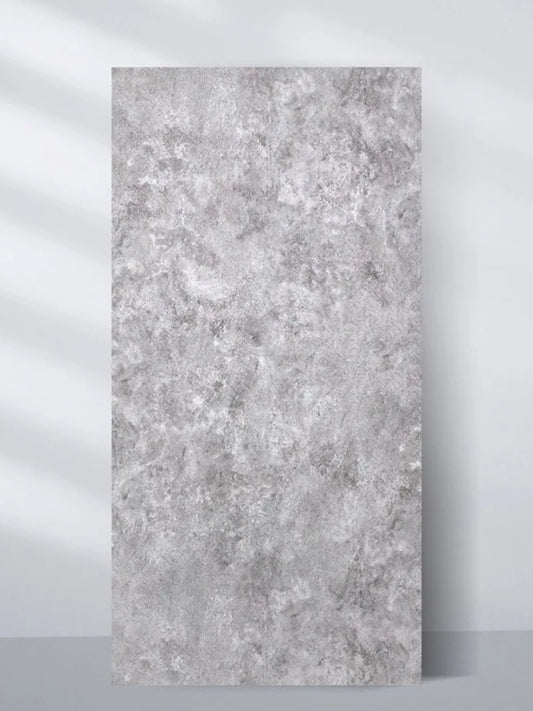
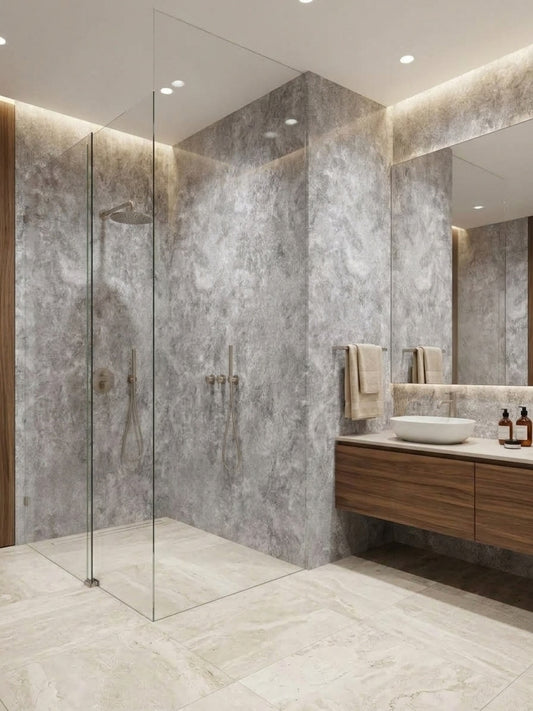
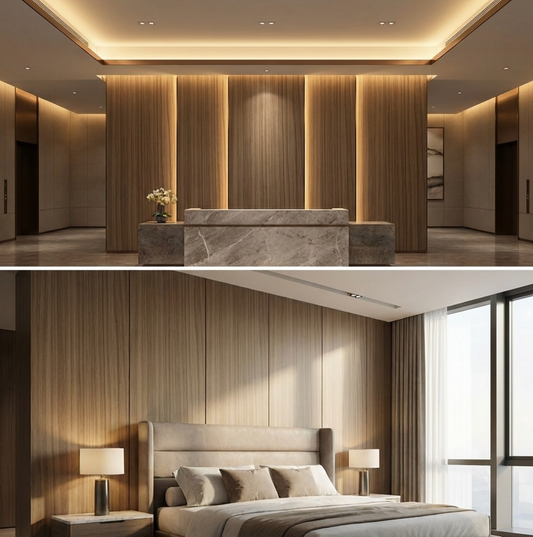
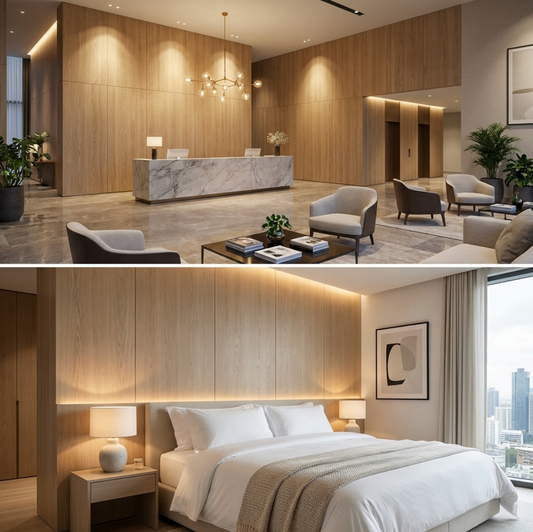
Large-Format Panels with Natural Visual Character
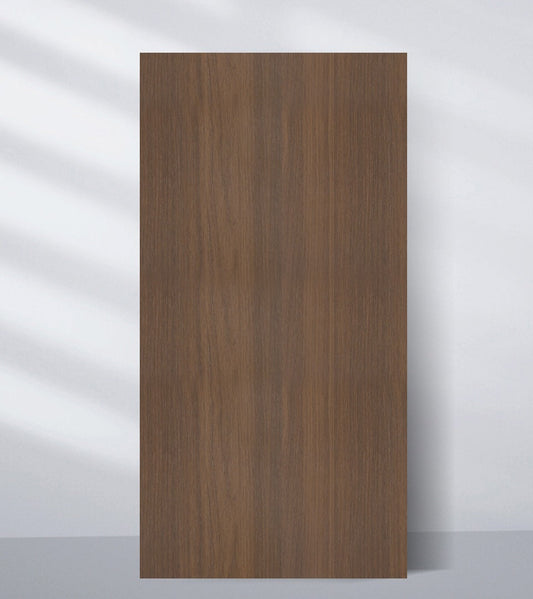
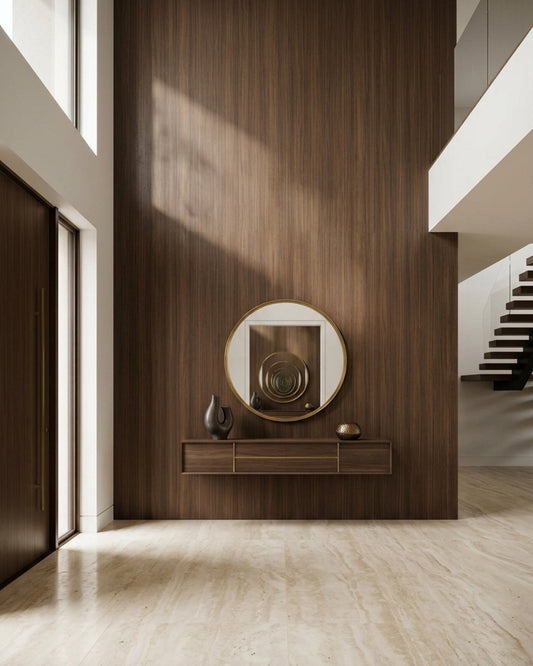
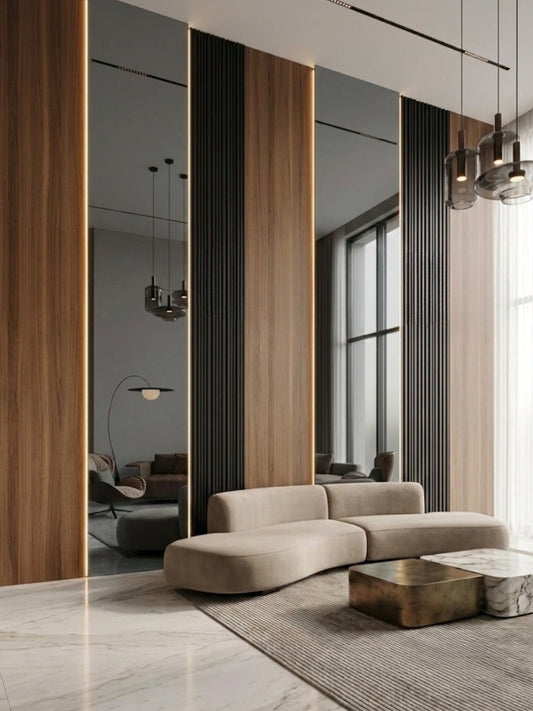
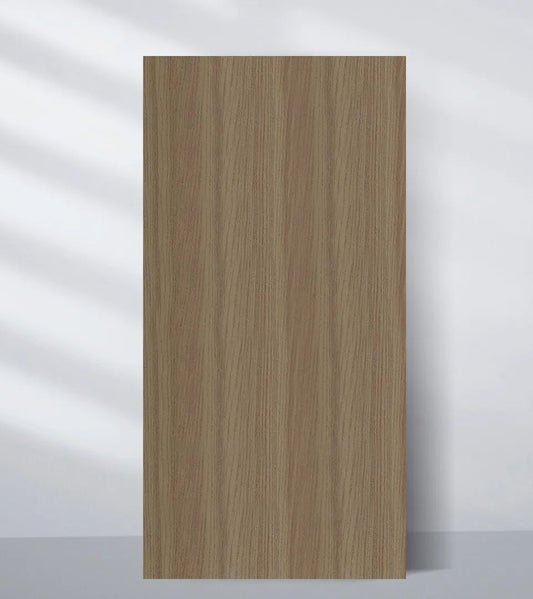
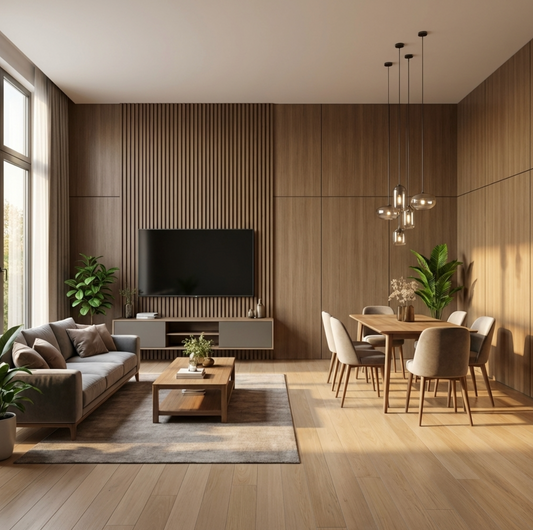
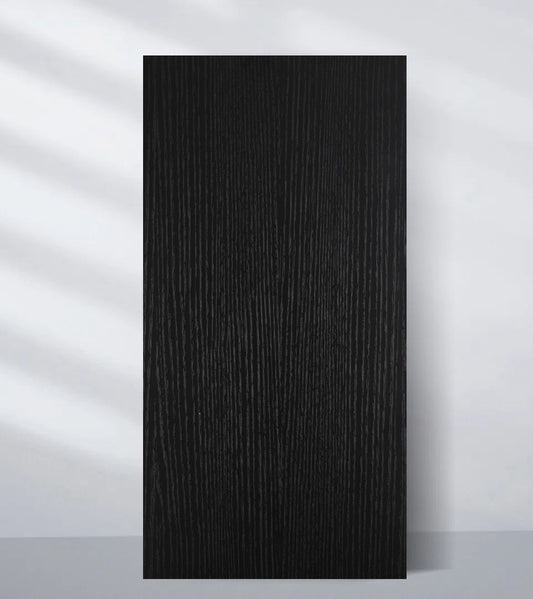
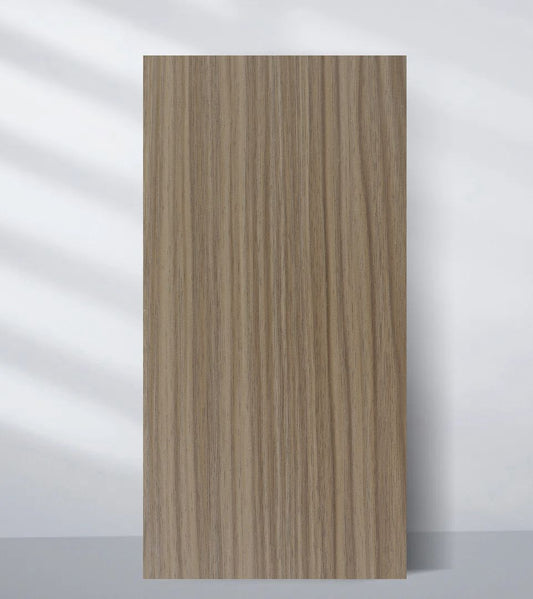
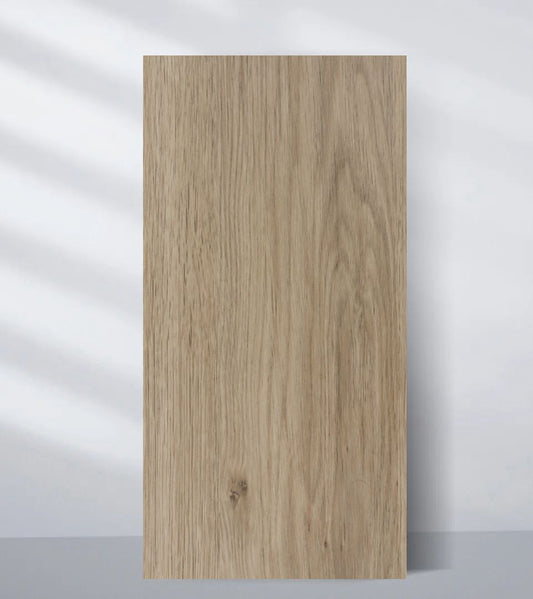
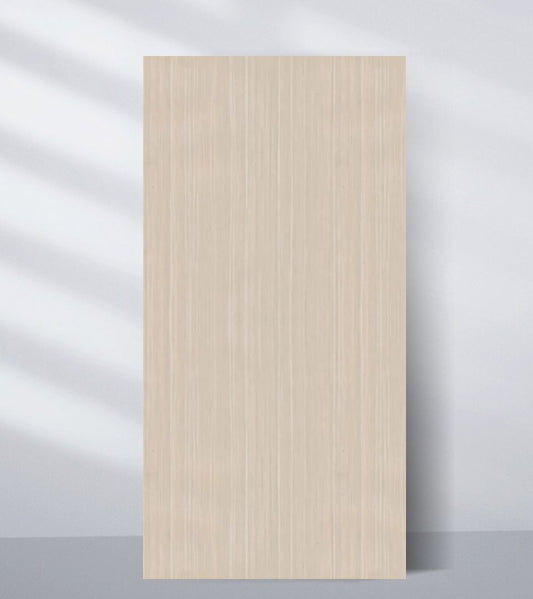
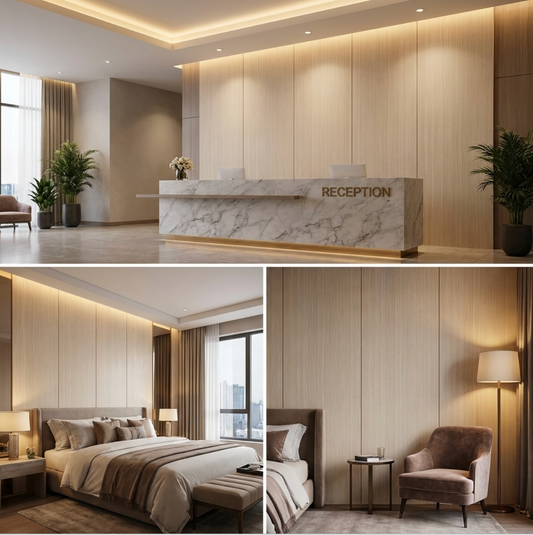
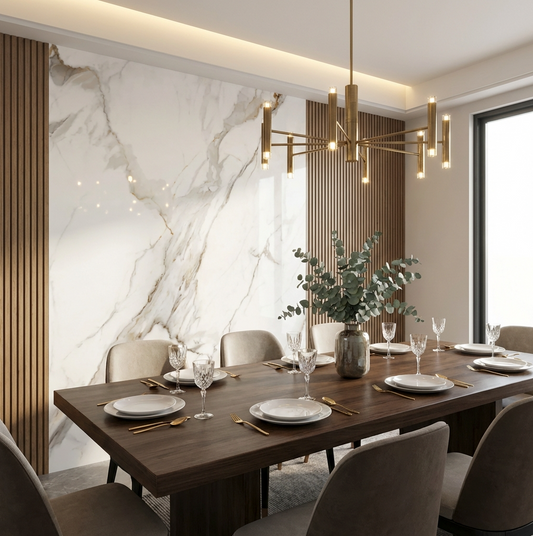
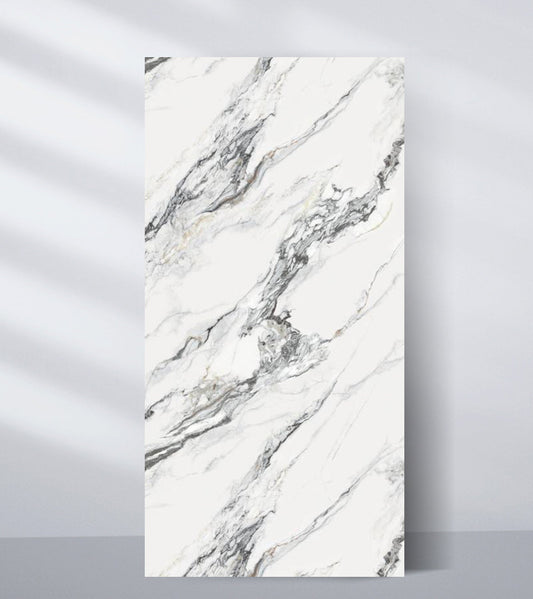
Wood veneer wall panels offer an efficient way to introduce the warmth and visual depth of wood-inspired grain into an interior. Variations in grain pattern, texture, and finish create a distinctive surface that can complement contemporary, transitional, and refined commercial design schemes. The panels can serve as a focal point or provide a coordinated backdrop for furniture, lighting, displays, and architectural details.
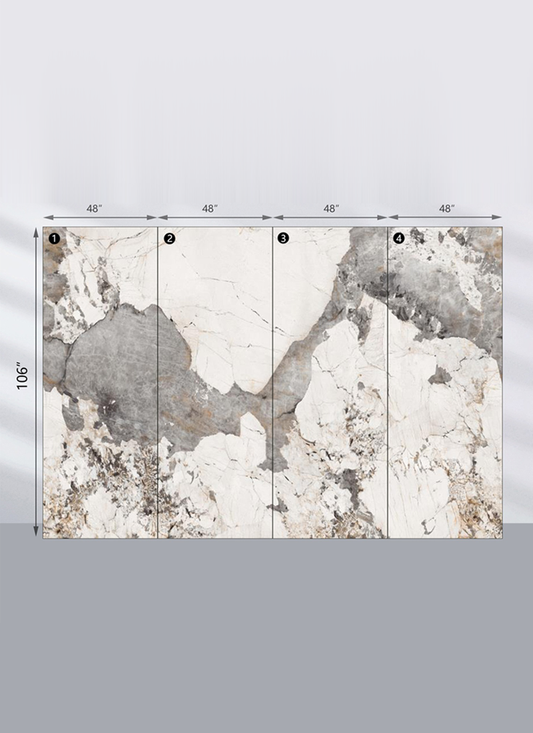
Each panel measures 48 inches wide x 108 inches high (4 ft x 9 ft) and covers 36 sq. ft. The large format can help reduce the number of seams required across larger installations, supporting a cleaner, more continuous appearance. Panel orientation also influences the finished look: vertical positioning can emphasize height, while horizontal layouts can visually extend a wall.
Thickness and Weight Options
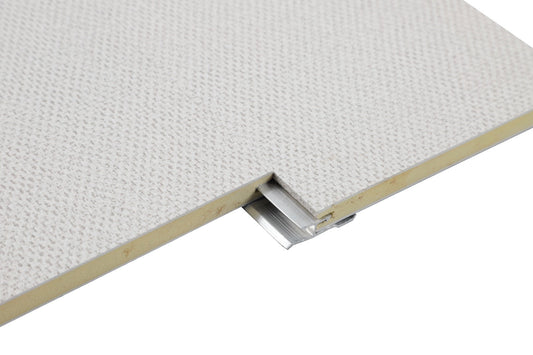
Two verified thickness options are available to suit different project requirements. The 8 mm panel weighs 45 lbs per panel, while the 6.3 mm panel weighs 37 lbs per panel. Consider the wall condition, desired profile, handling requirements, and project design when comparing the two options. Because the dimensions and weights are substantial, panels should be handled carefully and properly supported while they are positioned.
Both options have flexible and bendable construction suitable for more than standard flat walls. Depending on the project, they can be used on curved surfaces, columns, corners, accent walls, and other architectural features. The amount of bending required should be evaluated against the selected panel and the specific surface before installation.
Residential and Commercial Applications
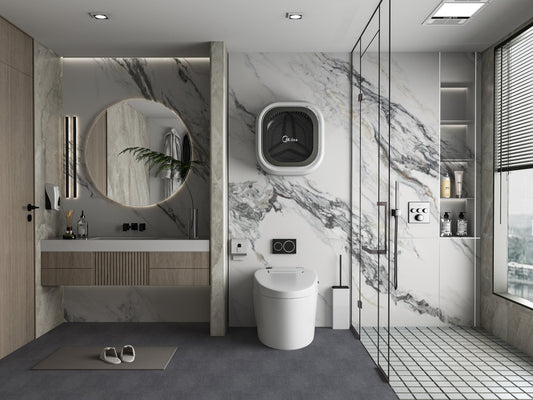
In homes, wood veneer panels can define TV walls, living rooms, bedrooms, dining areas, hallways, kitchens, and suitable bathroom installations. Their waterproof and scratch-resistant properties provide practical benefits in active interior areas, although the surrounding substrate, joints, edges, and installation method should also be appropriate for the environment.
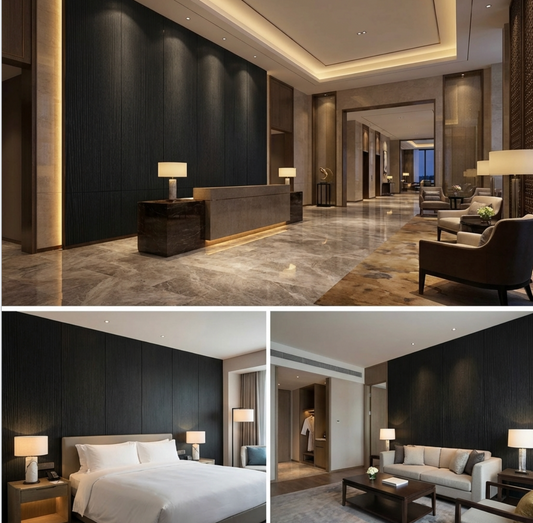
Commercial applications include offices, reception areas, hotels, restaurants, retail stores, showrooms, salons, lobbies, and corridors. The wood-inspired appearance can make customer-facing areas feel warmer and more visually considered, while the B1 fire-rated construction adds a verified fire-retardant characteristic. Project planners should still confirm all applicable local building and interior finish requirements for the intended space.
Planning the Layout and Installation
Careful planning helps create an orderly result. Measure the installation area, determine panel orientation, and dry-position panels before final placement. Consider where seams will fall in relation to corners, doors, fixtures, furniture, and other visual features. When multiple panels are used, reviewing their grain direction and visual flow before installation can produce a more coordinated layout.
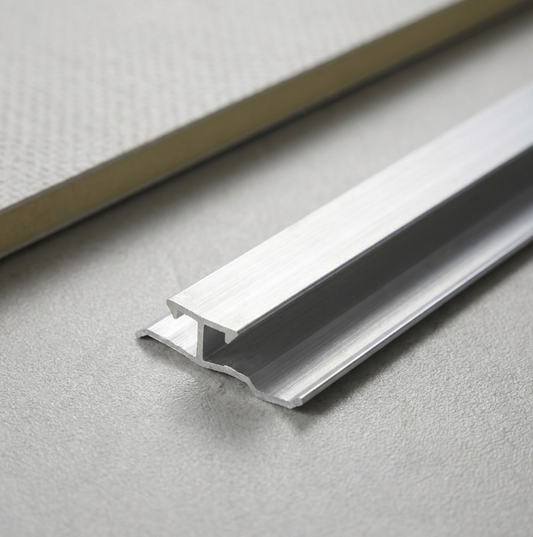
Adhesives, trims, and cutting methods should be compatible with the selected panel, substrate, thickness, and installation conditions. Follow the applicable product guidance when choosing these items rather than assuming one method is suitable for every wall. Plan cuts and openings carefully, support the panel during handling, and test positioning around corners or curves before securing it. Edge trims may be considered where a defined transition or finished exposed edge is desired.
Cleaning and Ongoing Care
Routine care can help preserve the finish and grain detail. Remove dust with a soft cloth and address surface marks without using abrasive pads or harsh tools that could alter the appearance. Verify that any cleaner is compatible with the finish before applying it broadly. Although the panels are waterproof and scratch resistant, thoughtful cleaning and protection from unnecessary impact will help maintain a polished appearance in both residential and commercial interiors.