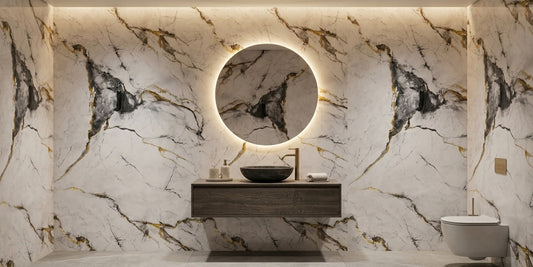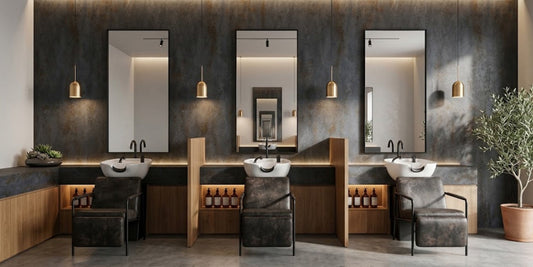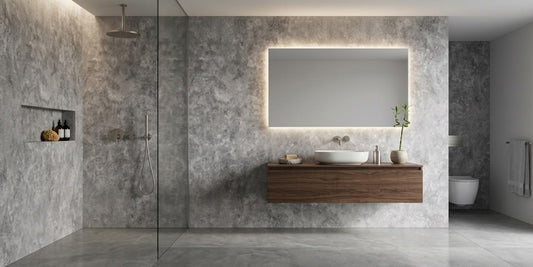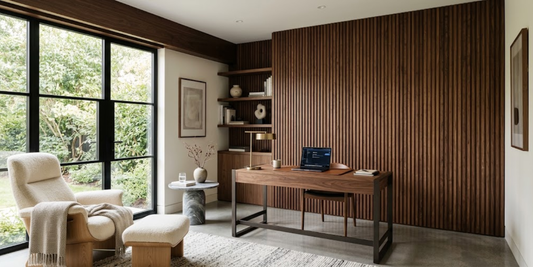

Employees will be more focused and able to communicate better in a quiet and comfortable office. Unwanted echoes and background noise can make meetings challenging and unproductive, however. By designing your wood wall panels, you can enhance your work environment and create a modern, well-designed space that looks great and sounds excellent. These panels not only absorb reflected sound but also enhance the work atmosphere. Meeting rooms and office spaces can be designed and fitted out to offer a comfortable, professional space with the right placement.
Why Acoustic Wood Wall Panels Are Important for Offices
Acoustic wall panels for offices can help regulate unwanted echoes and enhance speech clarity. When there are hard surfaces (glass, concrete, painted walls), sound is reflected and difficult to understand. These reflections can be minimized with acoustic wood panels that have sound absorbing backing. They also help to give a natural warmth and texture to the interior of offices. The correctly fitted panels make for a more conducive meeting, team and office environment.
Understand Your Office Space Before Planning
A wood wall panel installation for acoustics must be carefully considered before installation in the room, in order to ensure a good acoustic performance of the wall. Locate walls, windows and other spaces where sound reverberation is apparent. Think about where staff sit, talk and have conversations. Higher acoustic coverage requirements are likely to be needed in larger meeting rooms than in smaller offices. This information will help you decide where to place the panels in a practical way, and not waste the wall space.
Best Placement for Meeting Room Acoustic Panels
The correct positioning of the acoustic panels in meeting rooms can help to make conversations clearer and any echoes quieter. Near the meeting table, side walls can be helpful as they may bounce voices back and forth among the meeting members. Hanging panels also help to control sound behind speakers or where people are sitting. Be careful of putting all panels in a small corner. Balanced sound coverage can be achieved by making use of the appropriate acoustic materials in key reflection surfaces.
Install Panels Behind Conference Tables
A wall behind a conference table can be an inviting element and contribute to control of sound reflections. Acoustical wood slat panels are a great way to give the modern office a professional look. Select fixtures which complement your meeting table, chairs, and lighting. This positioning can likewise make for a fashionable backdrop for video meetings. Consider adding panels to other nearby reflecting surfaces for improved acoustics.
Wood Slat Panel Placement for Better Sound Control
The correct placement of wood slat panels is based on a room's design and acoustics requirements. Wood slats are a good way to have a neat look and can give the walls a taller look. For extra wide rooms a horizontal design might provide a more balanced appearance. The direction of the slats alone is not necessarily correlated with superior sound absorption. The choices of the panels' construction, the backing material, mounting technique, and the amount of coverage all have an impact on enhancing room acoustics.
Improve Office Wall Sound Absorption
Good office wall sound absorption helps to minimize echo and communication issues in the office. The mechanism of acoustic panels is to absorb some of the sound energy that otherwise reflects into the room. To achieve more effective results, install wall panels in conjunction with carpet, upholstered furniture or other sound absorption materials. Keep in mind that acoustic panels are primarily used to minimize reflections within a room. They are not completely soundproof and inhibit conversations and noise passing through the walls.
Choose the Right Acoustic Panel Installation Layout
An ideal acoustic panel installation layout should consider appearance, size, and sound performance. Begin by taking measurements of the walls and looking for places to install. Determine if you wish to have them the entire wall or in smaller decorative sections. Space for doors, switches and outlets. Prior to buying, ensure the panel size and mounting specifications so that you can determine how many panels you will need for your office.
Full-Wall vs Partial-Wall Installation
Full-wall installation ensures a seamless wood finish and offers more potential absorption coverage. It is effective in large conference rooms and in offices where there are any audible echoes. Partial wall installation can be used for certain reflection areas when desired. It can also help decrease the amount of materials used and provide visual interest. This will vary depending on your sound requirements, room constraints and budget.
Select the Best Wood Panel Colors for Offices
Choosing a suitable color for a great workspace is an essential aspect of creating a beautiful workspace. Natural wood and light oak finishes help to give a bright and welcoming look, ideal for modern offices. Executive meeting rooms can be finished in dark walnut, black, or gray to add a sophisticated touch. Coordinate with existing panel, floor, furniture and wall colors. By maintaining a consistent design, it can help establish a professional atmosphere in the workspace without overcrowding.
Common Mistakes to Avoid During Installation
If acoustic panels are not planned effectively they can have a negative impact. Flashes are commonly installed as decoration, without consideration for significant reflection surfaces, and using inappropriate mounting techniques. If there are not enough panels, it can also create echoes, which will be noticeable. Please refer to the manufacturer's instructions and inspect the wall conditions prior to installation. An acoustic professional can suggest which areas to cover and where for rooms that have more severe sound issues.

Explore Acoustic Wood Panels at New Era Wall Panels
For modern meeting rooms and offices, New Era Wall Panels offers you stylish acoustic solutions. They have an acoustic wall panel range in various oak, ash, gray and other decorative wood finishes. The selected panels are made from wood veneer slates and are backed with high-density acoustic felt which has been provided to minimize echo. The products feature appealing wall designs and sound absorption to ensure comfortable sound in commercial interiors.
Conclusion
The design of an effective acoustic wood wall panel layout is an excellent method to enhance the comfort and appearance of offices. First, learn about your room and pinpoint sound reflective surfaces, and determine appropriate panel placement. Make sure you think about how you will cover the panels, what materials you will need and how you will decorate the interior when purchasing the panels. When well thought out, a successful installation can make for easier discussions and a more inviting work environment. Check out New Era Wall Panels for acoustic wood panels to work with your office.
Frequently Asked Questions (FAQs)
Where should acoustic wood wall panels be placed in an office?
The acoustic wood wall layout should emphasize the areas of high sound reflection like side walls, meeting rooms and large unobstructed surfaces.
Do acoustic wall panels for offices reduce noise?
Yes, sound-absorbing wall panels for offices can absorb the reflected sound and diminish echoes. They are not soundproofing a room altogether, though.
How many acoustic panels does a meeting room need?
The number of meeting room acoustic panels will vary depending on the room size, surface materials, acoustic performance and the level of echo.
Is vertical or horizontal wood slat panel placement better?
Either of these is good. Vertical wood slat panel installation makes the walls look taller and horizontal slat panel installation can make the walls look wider. The acoustic performance is primarily related to the construction and installation of the panels.
Can acoustic wood panels be installed on office ceilings?
Some wood panels with acoustic properties are suitable for installation in the ceiling. Please refer to the manufacturer's mounting instructions and follow the manufacturer's recommendations for safe installation practices.
Tags:
Related articles
-
Oct 16 2026