
The smallest elements in interior design create the most significant impacts on overall design. Wall panels receive most design attention because of their texture and color and style but designers and homeowners tend to ignore the vital component of wall panel trims. The decorative function of wall trims extends beyond aesthetics because they create an essential finish for wall panel installation.
The installation of modern wall paneling requires decorative trims because they function as the essential element which completes a perfectly framed design. This article explains how decorative wall trims improve interior design while demonstrating their necessity for home and commercial space enhancement.
What Are Wall Panel Trims?
Wall panel trims function as finishing components which protect the edges and corners and joints of wall panels. The construction process depends on two fundamental functions of elements. The product range includes L-trims and end caps and inner/outer corners and T-joints which manufacturers make from aluminum and PVC and composite wood materials.
The elements produce seamless connections between wall panels and surrounding surfaces including ceilings and floors and adjacent walls. The elements serve to conceal defects while safeguarding panel edges and producing a polished appearance for wall panel installation projects.
The Key Role of Trims in Seamless Wall Paneling
1. Enhanced Aesthetic Appeal
The appearance of your wall panels will benefit from appropriate trims which enhance their visual appeal. The lack of trims creates an unappealing visual appearance because panel edges that meet corners or floor edges reveal unfinished areas. Wall panel trims function as borders which create a unified appearance by connecting all design elements into one complete design.
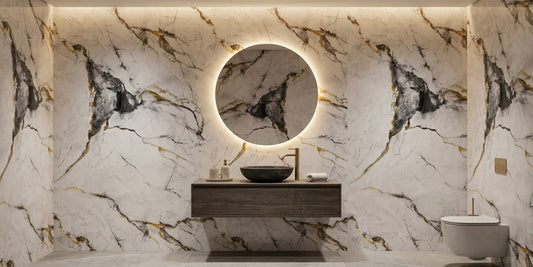
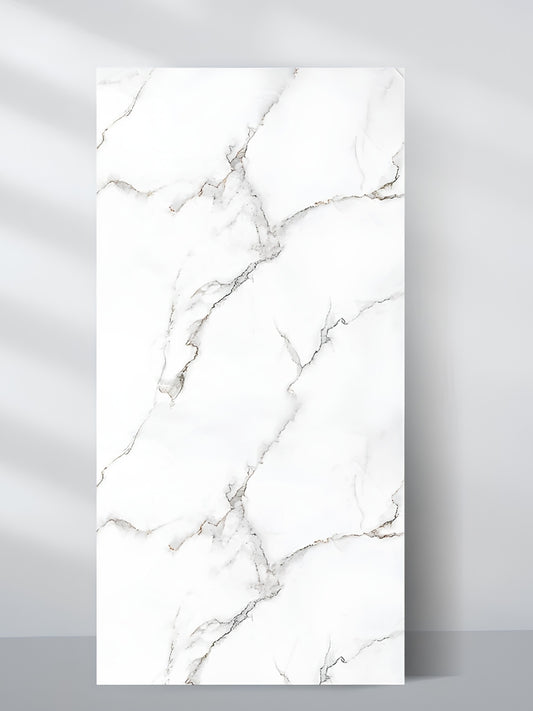
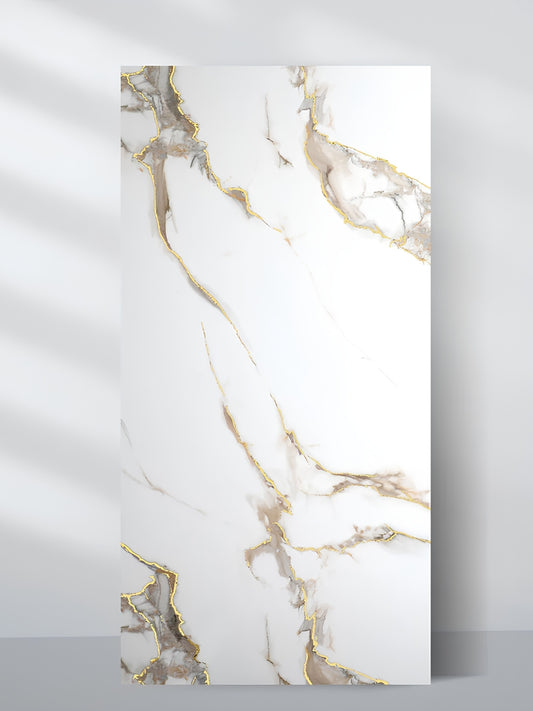
A white marble PVC panel achieves a more luxurious appearance when paired with silver aluminum edge trim instead of showing its raw edge. The application of trims enables designers to achieve both uniformity and continuous design elements which suit modern minimalist and luxury interior spaces.
2. Professional-Grade Finish
The installation of wall panels with high prices and stylish designs will appear unprofessional when they lack proper finishing techniques. The installation of decorative wall panel trims transforms basic DIY wall finishes into sophisticated high-end interior designs. The trims serve three essential purposes by hiding wall seams and filling gaps and covering any irregular cuts.
The professionals who design interiors and construct buildings depend on wall panel edge trims to create perfect transitions during their work on complicated areas including staircases and window surrounds and curved walls.
3. Structural Protection and Durability
Wall panels are often installed in high-traffic areas hallways, living rooms, commercial lobbies where edges can easily be bumped or chipped. The trims function as protective barriers which defend panel edges against all types of damage.
The protection of raw edges becomes essential when working with materials such as MDF and PVC because these materials will deteriorate when they face moisture or friction exposure. The combination of composite wall trims with aluminum edge guards provides both durability and design preservation for your interior space.
 |

|
Types of Wall Panel Trims and Their Use Cases
The understanding of wall panel trims requires knowledge about their functions in various design applications.
● L-Trims
The L-shaped trims form perfect right-angle joints between panels when installed at outside corners. The trims serve two purposes by safeguarding sensitive edges and creating exact borders which separate different sections of your panel.
● End Caps and Edge Trims
The trims function to seal exposed panel edges which run along door frames and ceiling and baseboard areas. The trims maintain a clean appearance by blocking dust and debris and moisture from reaching the panels' backside.
● T-Trims and Joiners
These trims function to connect two panels by creating a perfect alignment while hiding the joint between them. The trims serve best for big wall panel projects and designs that use multiple panels in feature walls.
● Corner Trims (Inner and Outer)
The trims function as 90-degree angle transitions which work best in room corners. The trims create a unified design which safeguards both interior and exterior corners from damage and paint deterioration.
Why Trims Are Essential in Modern Wall Design Trends
Modern architecture bases its designs on clean lines and perfectly finished surfaces for every design it creates. The modern trend of trimless walls demands flawless drywall installation and perfect panel installation which becomes unaffordable when working with limited budgets. The correct installation of trims provides an affordable method to create a professional-looking finish which duplicates expensive design styles.
The integration of your interior design concept becomes possible through the use of trims which work with acoustic wood panels and WPC fluted panels and PVC marble sheets.
Real-World Applications: Where Wall Trims Make a Difference
◼ Living Rooms and Feature Walls
The addition of black L-trims to wood-grain fluted wall panels creates visual contrast which reveals their textured design suitable for high-end living room wall decoration.
◼ Bathrooms and Wet Areas
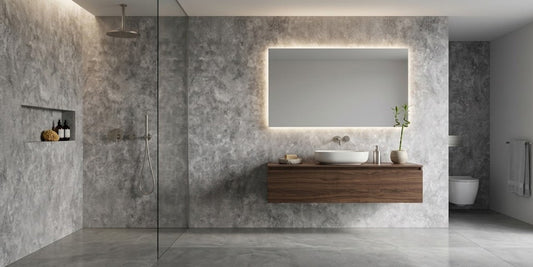
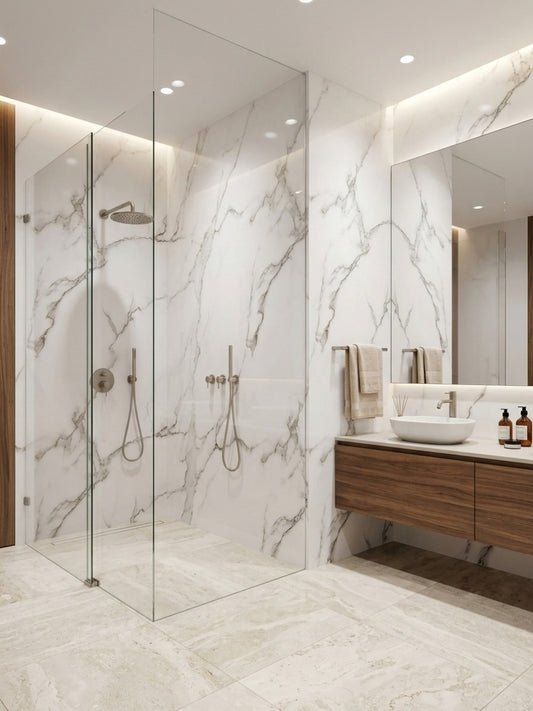
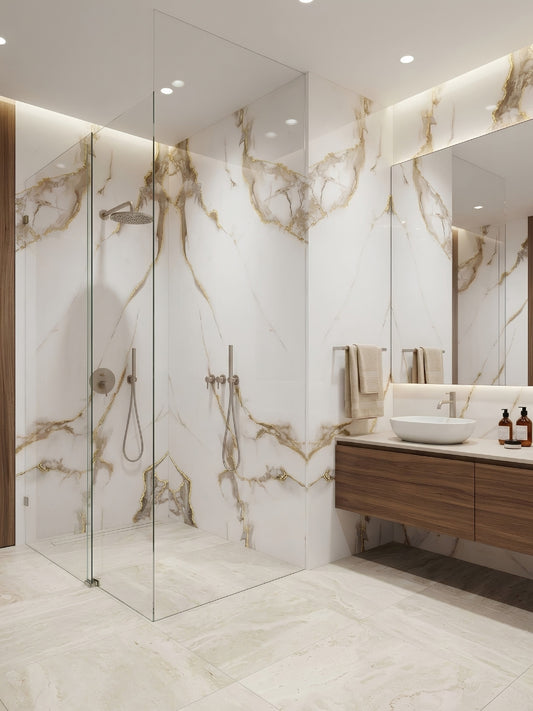
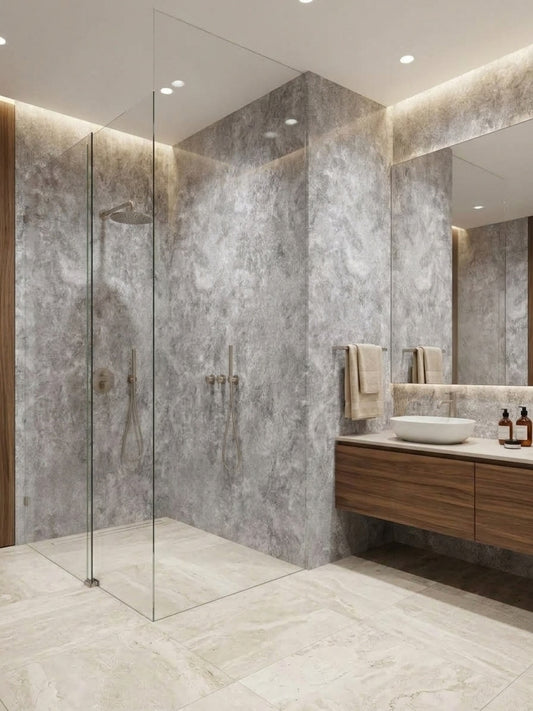
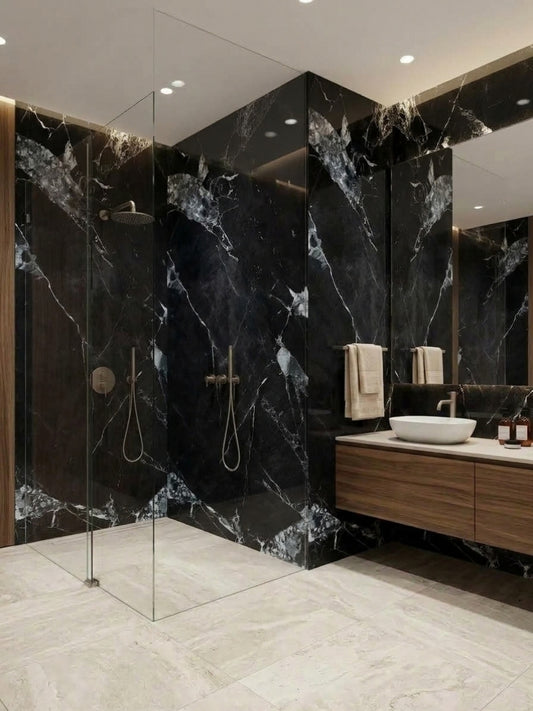
The combination of PVC marble panels with waterproof edge caps protects against water penetration while making bathroom walls more resistant to damage.
◼ Commercial Interiors
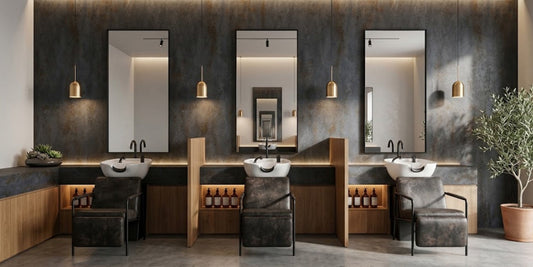
Professional finishes require restaurants and office lobbies and hotel corridors to use durable elegant materials. Wall trims serve as professional finishes because they can withstand ongoing human contact.
◼ Home Offices and Studios
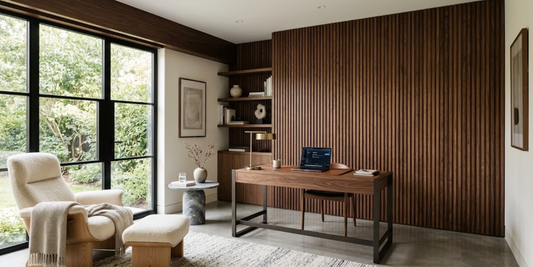
The clean transition between different materials occurs through panel trims which connect wood panels to glass partitions and shelving units for a unified design.
Wall Panel Trims for DIYers and Professionals
Wall panel trims offer users a simple installation process which makes them attractive to users. The installation process of trims follows a simple path which allows both professional interior contractors and DIY homeowners to achieve their desired results. Standard-length trims exist in the market and users can cut them using standard hand tools.
Users can attach trims to their panels through adhesive application or screw fixation after they position the panels. The snap-fit design of some trims allows users to install them without tools because they do not require caulking or specialized tools.
Mistakes to Avoid When Choosing Wall Trims
- The practice of skipping trims for cost savings results in additional work because unprotected edges will eventually develop chips and movement.
- The appearance of a room becomes completely unattractive when different trim colors do not match each other.
- The selection of incorrect trim types results in installation failures because L-trims cannot connect two panels properly while T-trims function as a suitable alternative.
- The success of trim installation depends on proper attachment methods because uneven or poorly secured trim pieces will not benefit from high-quality materials. Always measure carefully.
Choosing the Right Trim for Your Wall Panels
The following tips help users pick appropriate interior wall panel trims:
- The selection of trims depends on panel materials because composite trims work with composite panels and metal trims match with marble and high-gloss panels.
- Most interior spaces find their perfect match with trims that have metallic or matte black or wood-inspired finishes.
- The selection of water-resistant trims needs to occur in areas that include kitchens and bathrooms.
- The thickness of trims needs to match door traffic levels because thick trims protect entry points and thin trims create elegant borders in other areas.
Final Thoughts: The Subtle Power of Wall Panel Trims
The small dimensions of trims in interior design enable them to serve functional purposes while creating attractive visual effects. The appearance of a well-installed wall panel becomes unattractive when its edges show signs of damage or irregularity. The installation of trims protects your wall panels from damage while making them look more attractive and extending their lifespan.
Your wall panels will reach their full potential when you include trims in your design for any space including home theaters with acoustic panels and hotel lobbies with PVC marble sheets and hallways with composite cladding. The last touch of a great design becomes exceptional through the addition of trims.
Ready to enhance your interior finish?
New Era offers premium trims through their Trims & Accessories Collection which enables you to create stunning interior spaces.
Tags:
Previous
How to Choose the Right Fence Gate for Your Home
Next
Fence Gates for Driveways, Gardens & Yards: Top Design Ideas
Related articles
-
Oct 16 2026